Portable Air Conditioners, Decoded by the Real BTU Number
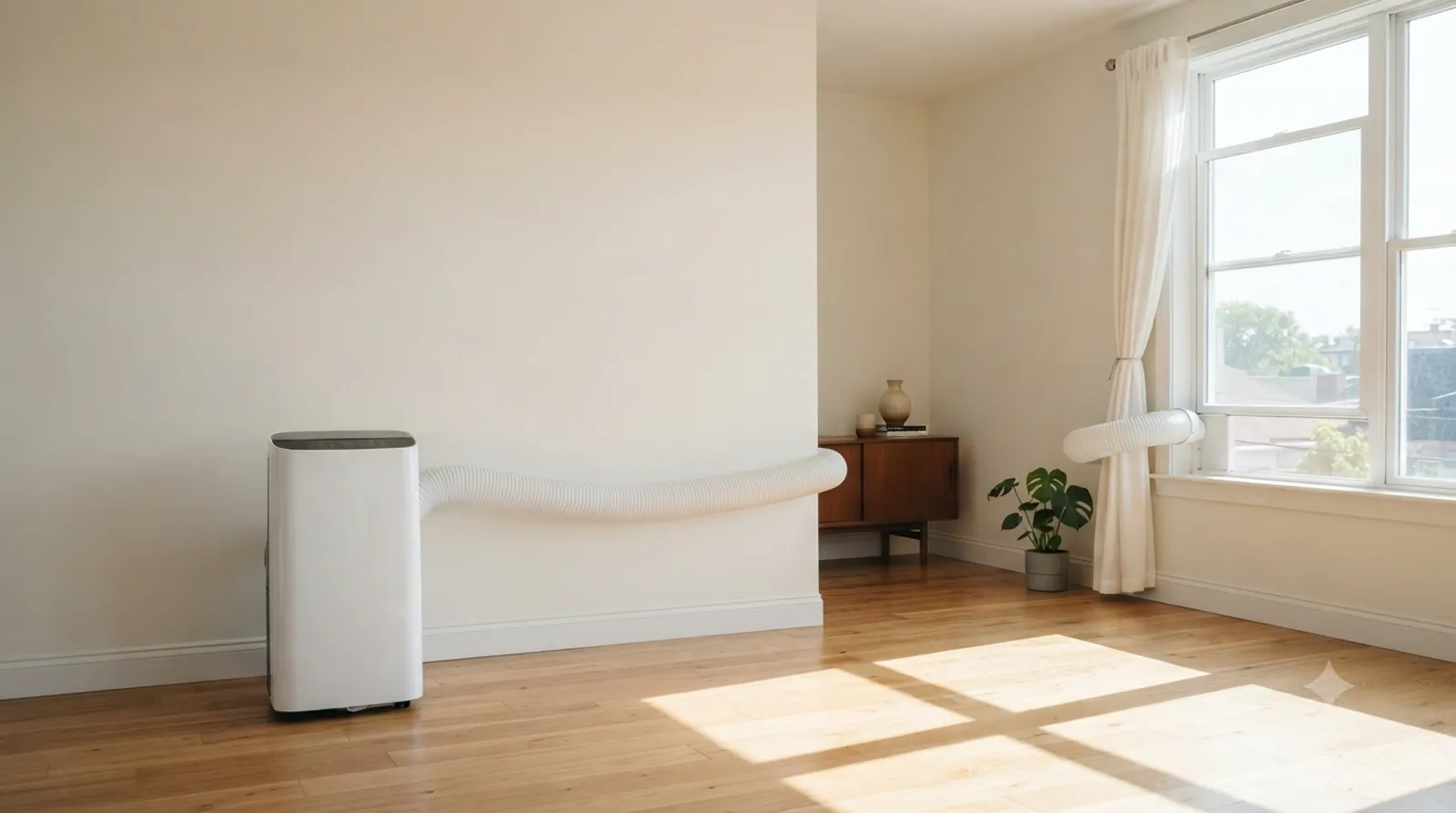
Every portable air conditioner sold in the US carries two BTU ratings: the advertised ASHRAE-128 number on the box, and the DOE SACC (Seasonally Adjusted Cooling Capacity) number that reflects real-world duct heat leakage and infiltration. The SACC figure typically runs 15-50% lower than the advertised number for the same unit. We don't test units ourselves — we compile the numbers each manufacturer has already disclosed (or hasn't) into one neutral, cross-brand table, something no single manufacturer's site will show you.
Every explainer of "what is SACC" online right now is published by a manufacturer describing its own product line. None of them put a TURBRO next to a Midea next to a Honeywell next to a Costway in the same table. That's the gap SACC Decoded fills: the SACC Reality Index, a versioned, source-cited dataset of advertised BTU, disclosed SACC, the derived gap percentage, hose configuration, and disclosed room-size coverage for current popular models.
The one thing to know: A portable air conditioner sold as '14,000 BTU' is almost always reporting an ASHRAE-128 laboratory rating, not what it will actually deliver in your room. Since the DOE's 2017 test procedure and its 2023 update, manufacturers must also disclose a SACC (Seasonally Adjusted Cooling Capacity) rating, which factors in duct/hose heat leakage, infiltration of outside air, and cycling losses. The SACC number typically runs 15-50% lower than the advertised ASHRAE figure for the same unit — a '14,000 BTU' unit is commonly an 8,000-12,000 BTU SACC unit in practice. Neither number is 'fake'; they measure different things.
Small Room & Budget
Entry-level units where the SACC gap runs widest (up to 50%) — sized to the disclosed SACC coverage, not the box number.
3 picks →
Large Room
Higher advertised-BTU units for bigger spaces — which of them actually publish a SACC figure, and how far it falls from the advertised number.
3 picks →
Dual-Hose
Dual-hose designs reduce (not eliminate) the negative-pressure infiltration that hurts single-hose performance in real rooms.
3 picks →
Start here — by room size, then check the hose count
SACC exists because the old BTU number ignored the warm air a single-hose unit pulls back into the room. Size by SACC, then decide on hose count. These are the lead picks for a small room, a large room, and a dual-hose design. Each links to a live Amazon search.
SereneLife SLPAC8
8,000 BTU advertised (ASHRAE), 4,000 BTU SACC (disclosed), single hose, maker-advertised ~215 sq ft
One of the few budget units where the manufacturer publishes BOTH numbers up front instead of leading only with the bigger ASHRAE figure.
Best for: A single small bedroom or home office where you want the honest, SACC-based coverage number rather than the marketing BTU
Watch out: The 8,000/4,000 split is one of the widest gaps we found (50%) — size this to its 215 sq ft SACC coverage, not the 8,000 BTU on the box, or it will run constantly and still feel warm.
Check price on AmazonNot deciding today? Add it to your cart over there — Amazon keeps it saved (and flags any price change) until you're ready.
Midea MAP14HS1TBL Duo
14,000 BTU advertised (ASHRAE), 12,000 BTU SACC (disclosed), dual/hose-in-hose design, maker-advertised ~550 sq ft
The smallest gap we found between advertised and SACC BTU (14.3%) among comparable 14,000-BTU-class units, thanks to an inverter compressor and a hose-in-hose intake that reduces the negative-pressure infiltration single-hose units suffer from.
Best for: Larger rooms where you want the advertised number and the real-world SACC number to be close together
Watch out: Still needs a 120V outlet and a window kit like any portable unit, and the inverter/hose-in-hose design costs more upfront than a basic single-hose unit of the same advertised BTU.
Check price on AmazonNot deciding today? Add it to your cart over there — Amazon keeps it saved (and flags any price change) until you're ready.
Whynter ARC-14S
14,000 BTU advertised (ASHRAE-128), 9,500 BTU SACC (disclosed, DOE 2017 standard), dual hose, maker-advertised ~500 sq ft
One of the most consistently cited dual-hose units for actually maintaining SACC output in warm climates, per independent review testing (RTINGS, Your Best Digs) rather than just its own spec sheet.
Best for: Buyers who specifically want a dual-hose design and a well-documented SACC figure from an established brand
Watch out: A 32% gap between advertised and SACC BTU is on the wider end even among dual-hose units — the dual hose reduces infiltration versus single-hose designs, but doesn't erase the gap between ASHRAE and SACC ratings.
Check price on AmazonNot deciding today? Add it to your cart over there — Amazon keeps it saved (and flags any price change) until you're ready.
TURBRO PAC10KUS Greenland
14,000 BTU advertised (ASHRAE), 10,000 BTU SACC (disclosed), single hose, maker-advertised ~600 sq ft
Publishes its SACC rating directly in the product title, and even has its own explainer on why portable ACs carry two BTU numbers.
Best for: Mid-size rooms where you want a maker that's transparent about the SACC gap by default
Watch out: Single-hose design pulls already-cooled room air out with the exhaust and draws in warm, humid outside air to replace it (negative room pressure) — expect it to underperform its 600 sq ft claim in a leaky room.
Check price on AmazonNot deciding today? Add it to your cart over there — Amazon keeps it saved (and flags any price change) until you're ready.
Start with the dataset
How we work
We're a research-based site: we compile the advertised and DOE-disclosed figures manufacturers already publish on their own spec sheets and major retailer listings, and we label every calculated gap as derived. We have never tested a portable air conditioner ourselves, we don't publish prices or star ratings, and we never accuse a brand of lying — both numbers are legitimate results of two different test procedures. Read our full methodology →